Retail crime in South Africa has evolved from individual shoplifters to organised syndicates that operate with increased planning and coordination. Globerisk has adapted its strategy to address this new reality, recognising that a single guard at the door is no longer sufficient to prevent these kinds of operations.
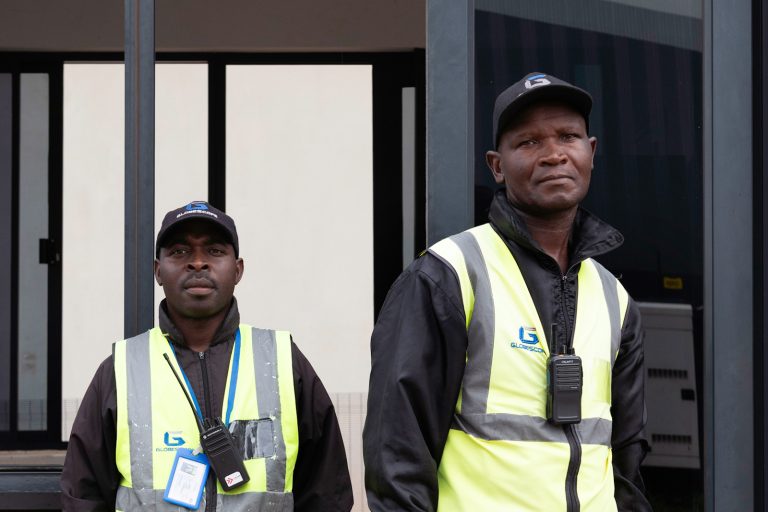
Globerisk’s staff are trained and assigned as Retail Protection Specialists, ready to identify early indicators of organised theft instead of only responding after an alarm is triggered.
This training covers the tactics syndicates use to smuggle stolen goods past detection systems. Guards learn to spot foil-lined bags and modified jackets, which are designed to bypass standard alarm systems. They are also trained to recognise coordination among group members. Often, a syndicate will stage a distraction, such as a diversion in one part of the store, an argument at the checkout, a spilled product, or a loud complaint to a manager, while the theft occurs elsewhere. A guard only watching the store entrance might miss this. However, a guard trained to observe coordinated behaviour across the floor is much more likely to detect such schemes before goods are taken out of the store.
Retail crime tactics evolve rapidly, so a single training session isn’t enough to keep guards prepared for current threats. Globerisk conducts monthly training sessions focused on the newest developments in retail theft, ensuring guards stay informed about emerging methods instead of relying on outdated assumptions.
Before guards are even deployed to any new retail location, a risk assessment is conducted. Globerisk staff evaluate the store’s layout and identify potential vulnerabilities, then brief the guards on what to observe in that specific environment. Since a jewellery counter and a liquor aisle present different risks, the training is tailored accordingly.
How technology supports the specialist guards
Globerisk works with a layered set of technologies designed to detect syndicate activity at every stage. Store entrance and exit detection systems do more than just scan item tags. Advanced pedestals can detect foil linings that syndicates use to block signals, raising an alert when someone with a booster bag enters or leaves. Overhead systems installed above the shopping area scan many tags simultaneously, enabling real-time alerts for coordinated thefts across entire display racks and specifying exactly which items were taken.
Individual products are secured using tagging and locking systems suited to their typical theft methods. High-value items like liquor and infant formula, often targeted by organised fencing operations, feature specialised locks that resist quick removal. Leather goods and power tools are protected with reinforced cable tags designed to withstand cutting.
At the till point, deactivation equipment is designed to prevent misuse as much as theft. Strong magnetic tag detachers are needed, negating the low-grade magnets that syndicates buy online to remove tags in changing rooms or quiet aisles, while hidden-label deactivation occurs only when a genuine barcode scan takes place, closing off a common method of collusion between a cashier and an accomplice.
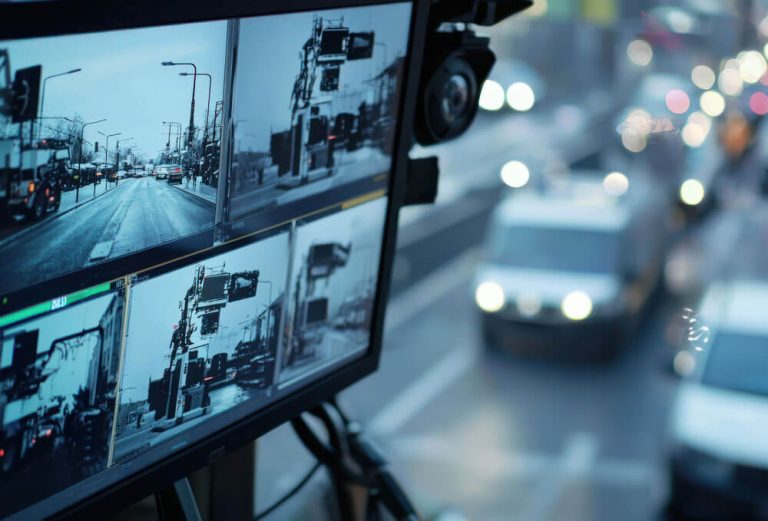
CCTV and access control integrate to provide a complete security picture. When a detection system identifies a high-value theft, it can prompt cameras to bookmark the footage and lock secondary exits, offering both on-site guards and investigators clear, actionable information.
The combination
Detection pedestals may trigger an alert, but it is a trained Retail Protection Specialist who understands its significance and takes the right action. Tagging systems can delay theft attempts, but continuous training enables guards to recognise the coordination behind these attempts before syndicates succeed. Globerisk integrates technology and training as a unified system, regularly updated and reassessed to adapt to evolving syndicate tactics.
What this means for you: Retail syndicates could already be casing your store.
Globerisk can send a Retail Protection Specialist to evaluate your location, identify weaknesses, and recommend customised security measures and technology suited to your layout and inventory.
Contact Globerisk to book a site assessment.